
Client and event overview
Sustainability plans can look brilliant on paper. Reusable cups. Clearly labelled recycling streams. Sustainable travel initiatives. Waste reduction targets. But whether you're welcoming thousands of people to a festival, sporting event, stadium or mass participation race, somebody still needs to help make those plans work once the gates open. That's where Sustainability Ambassadors come in. As the events industry continues to reduce its environmental impact, we believe dedicated sustainability staff should become a familiar part of event teams — bridging the gap between an organiser's sustainability strategy and what actually happens on the ground.
Making Sustainability Visible
One of the biggest advantages of Sustainability Ambassadors is simple: they're there.
Signage can tell somebody which bin to use, but a friendly person standing beside a recycling point can answer questions, encourage correct waste separation and explain why the system works the way it does.
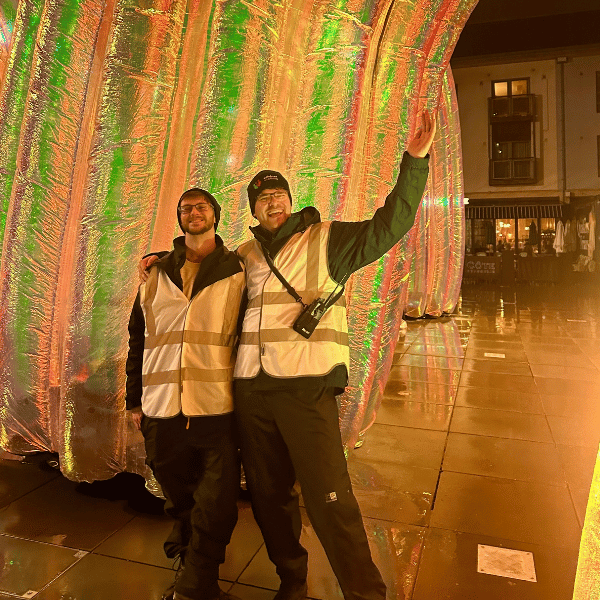
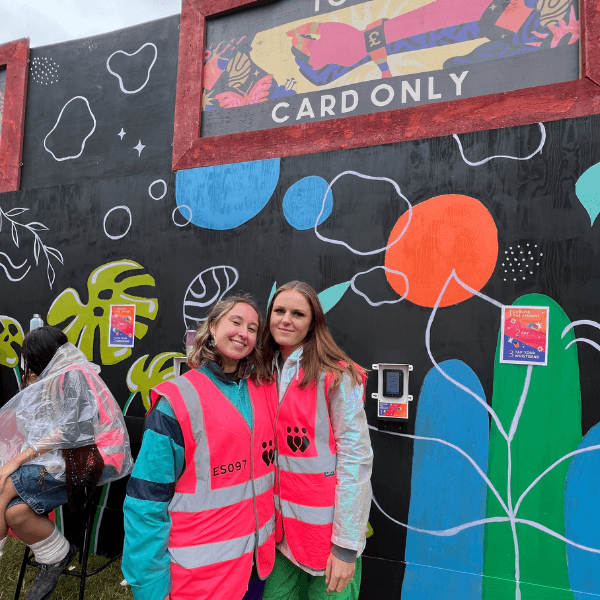
At Massive Attack x ACT 1.5 in Bristol, our Sustainability Ambassadors looked after recycling points across an event specifically designed to demonstrate a lower-carbon approach to live music.
ACT 1.5 grew from Massive Attack's collaboration with the Tyndall Centre for Climate Change Research, putting years of research into practice at a major outdoor show.
Our role was one small part of a much bigger sustainability strategy — but that's precisely the point.
Big ambitions rely on lots of smaller actions working properly.
From Festivals to Sporting Events
And Sustainability Ambassadors aren't just for music festivals.
Think about the footprint of a major sporting event: thousands of participants and spectators moving around a site, food and drink packaging, hydration points, temporary infrastructure and significant volumes of waste generated within a relatively short period.
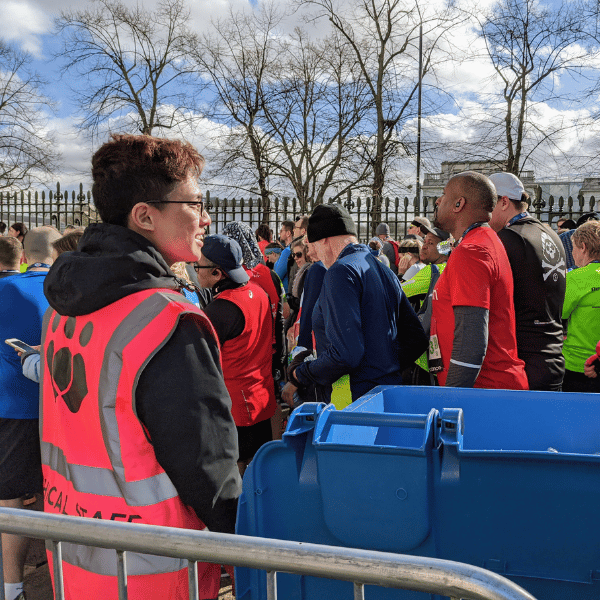
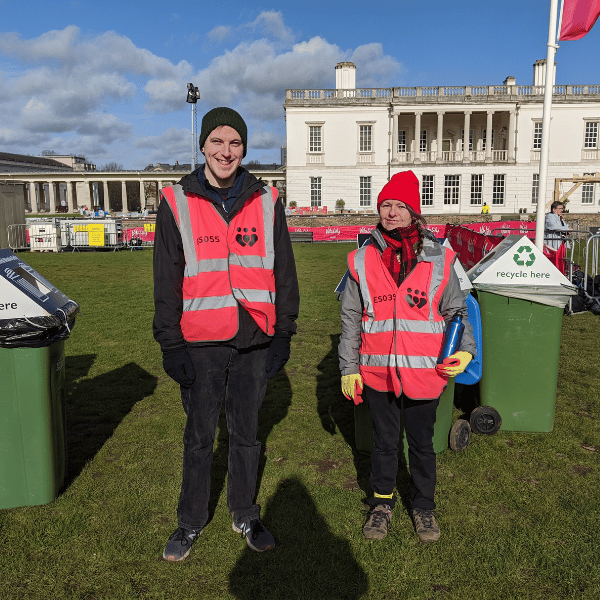
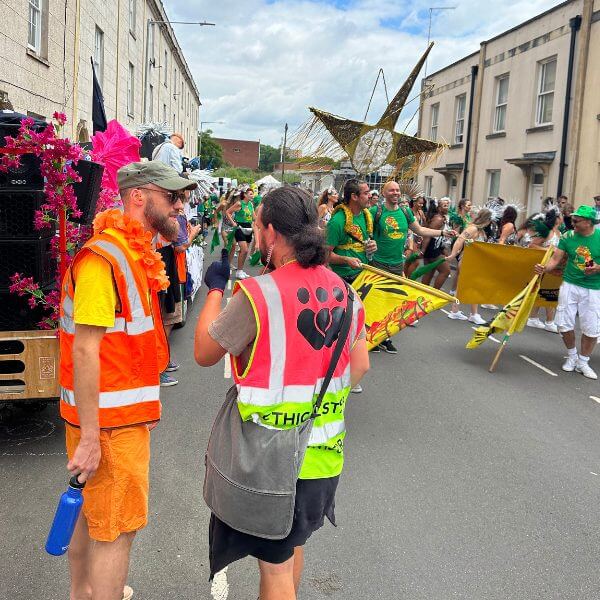
At The Big Half in London, our Sustainability Ambassadors were positioned around Greenwich Park, helping participants and spectators use recycling points correctly.
It's a relatively simple intervention, but at a mass participation event, thousands of individual decisions quickly add up.
The same principle applies across marathons, challenge events, stadiums and large outdoor sporting events. If organisers are investing in recycling infrastructure and waste-management systems, having visible people there to encourage correct use can help those systems work as intended.
The Outcome
Helping Audiences Get Involved The best sustainability initiatives often require audiences to actively participate. That might mean separating waste correctly at a sporting event, returning a reusable cup at a festival, using a deposit scheme or simply understanding why an organiser has introduced a particular initiative. At Sonic Boom Festival, our Sustainability Ambassadors supported a cup deposit system trial, helping audiences understand the process and encouraging cups back into the system. Different events require different approaches, but the principle remains the same: make sustainable choices easy, visible and approachable. A good Sustainability Ambassador isn't there to lecture people. They're there to help. Better Systems Need People Waste streams only work effectively if the right materials actually reach them. Reusable systems only work if products come back. And sustainability initiatives are much easier to engage with when people understand what they're being asked to do. Dedicated sustainability staff can also provide valuable feedback from the event floor. If hundreds of attendees are confused by the same recycling point or repeatedly asking the same question, that's useful information for organisers. It creates an opportunity to learn, adapt and make the system better next time. Sustainability Should Be Part of Event Operations Organisations such as A Greener Future are already helping the live events industry measure and reduce its environmental impact. But the next step is making sustainability feel less like a separate initiative and more like business as usual. We already expect dedicated teams at gates, box offices, accreditation points and campsites because those areas need people to operate effectively. Why shouldn't sustainability receive the same attention? Making Sustainability Ambassadors the Norm A Sustainability Ambassador won't make an event sustainable on their own. But they can help make a good sustainability strategy work in the real world. They can educate, encourage participation, reduce confusion, support recycling and reuse systems and feed valuable information back to organisers. As festivals, sporting events, stadiums and mass participation events continue to rethink their environmental impact, we believe Sustainability Ambassadors should increasingly become the norm rather than the exception. Because if you've invested time, money and expertise into making your event more sustainable, it makes sense to invest in the people who can help bring those plans to life. Explore our Sustainability Teams and Challenge & Sporting Events services to discover how Ethical Staffing can support sustainability initiatives at your next event.
Services Used
Related Ethical Staffing services: Box Office Staff, Sustainability Teams, Campsite Management.
Frequently Asked Questions
What does this article cover?
Sustainability plans can look brilliant on paper. Reusable cups. Clearly labelled recycling streams. Sustainable travel initiatives. Waste reduction targets. But whether you're welcoming thousands of people to a festival, sporting event, stadium or mass participation race, somebody still needs to help make those plans work once the gates open. That's where Sustainability Ambassadors come in. As the events industry continues to reduce its environmental impact, we believe dedicated sustainability staff should become a familiar part of event teams — bridging the gap between an organiser's sustainability strategy and what actually happens on the ground.
Making Sustainability Visible
One of the biggest advantages of Sustainability Ambassadors is simple: they're there.
Signage can tell somebody which bin to use, but a friendly person standing beside a recycling point can answer questions, encourage correct waste separation and explain why the system works the way it does.
At Massive Attack x ACT 1.5 in Bristol, our Sustainability Ambassadors looked after recycling points across an event specifically designed to demonstrate a lower-carbon approach to live music.
ACT 1.5 grew from Massive Attack's collaboration with the Tyndall Centre for Climate Change Research, putting years of research into practice at a major outdoor show.
Our role was one small part of a much bigger sustainability strategy — but that's precisely the point.
Big ambitions rely on lots of smaller actions working properly.
From Festivals to Sporting Events
And Sustainability Ambassadors aren't just for music festivals.
Think about the footprint of a major sporting event: thousands of participants and spectators moving around a site, food and drink packaging, hydration points, temporary infrastructure and significant volumes of waste generated within a relatively short period.
At The Big Half in London, our Sustainability Ambassadors were positioned around Greenwich Park, helping participants and spectators use recycling points correctly.
It's a relatively simple intervention, but at a mass participation event, thousands of individual decisions quickly add up.
The same principle applies across marathons, challenge events, stadiums and large outdoor sporting events. If organisers are investing in recycling infrastructure and waste-management systems, having visible people there to encourage correct use can help those systems work as intended.
Helping Audiences Get Involved
The best sustainability initiatives often require audiences to actively participate.
That might mean separating waste correctly at a sporting event, returning a reusable cup at a festival, using a deposit scheme or simply understanding why an organiser has introduced a particular initiative.
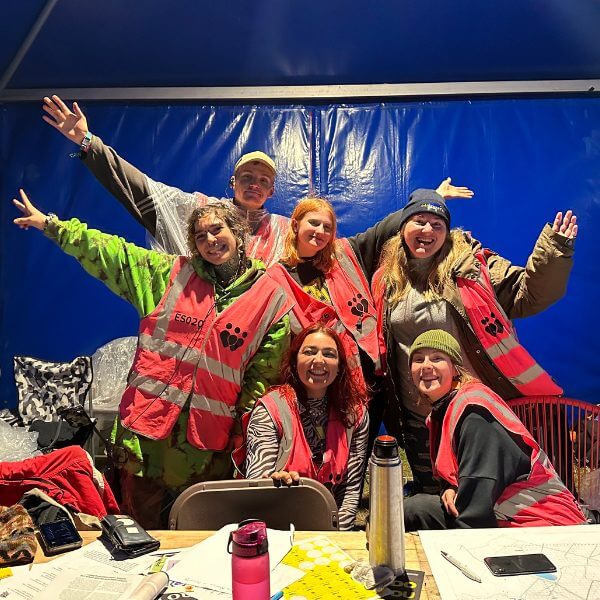
At Sonic Boom Festival, our Sustainability Ambassadors supported a cup deposit system trial, helping audiences understand the process and encouraging cups back into the system.
Different events require different approaches, but the principle remains the same:
make sustainable choices easy, visible and approachable.
A good Sustainability Ambassador isn't there to lecture people. They're there to help.
Better Systems Need People
Waste streams only work effectively if the right materials actually reach them.
Reusable systems only work if products come back.
And sustainability initiatives are much easier to engage with when people understand what they're being asked to do.
Dedicated sustainability staff can also provide valuable feedback from the event floor. If hundreds of attendees are confused by the same recycling point or repeatedly asking the same question, that's useful information for organisers.
It creates an opportunity to learn, adapt and make the system better next time.
Latest News & Blogs



Ready to put sustainability ambassadors on the ground, not just in the plan? Let's talk.
The useful version of this work is practical: points, queues, sorting, and someone who can explain it. If that is the team you need, tell us the event and the plan they will be supporting.